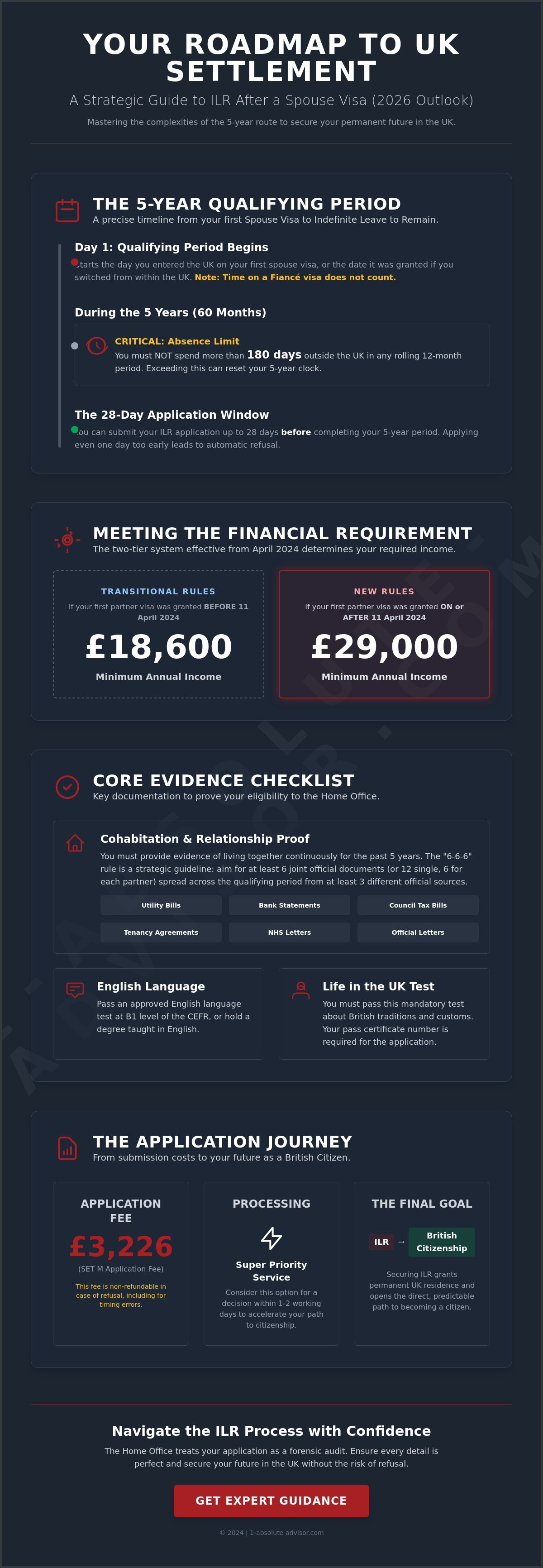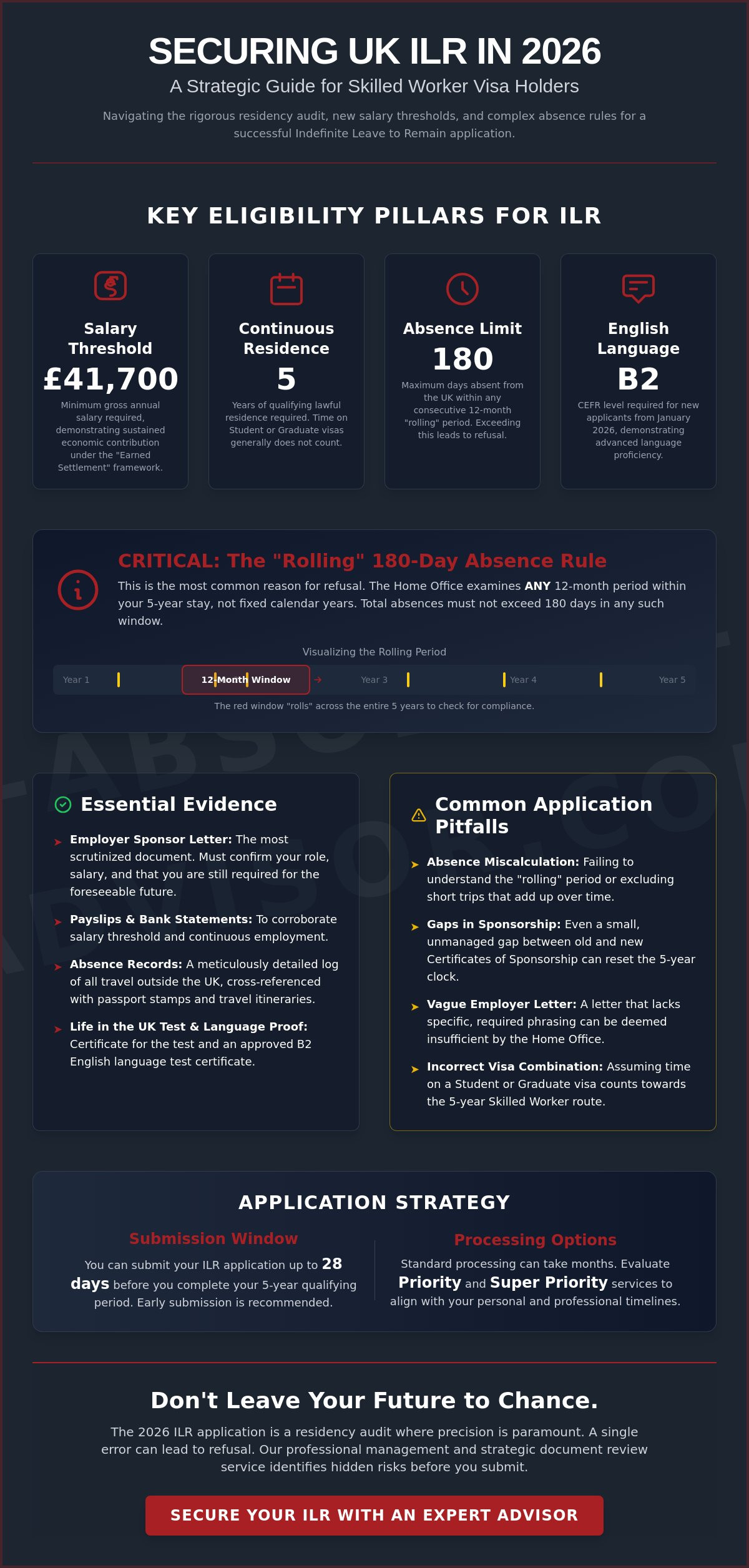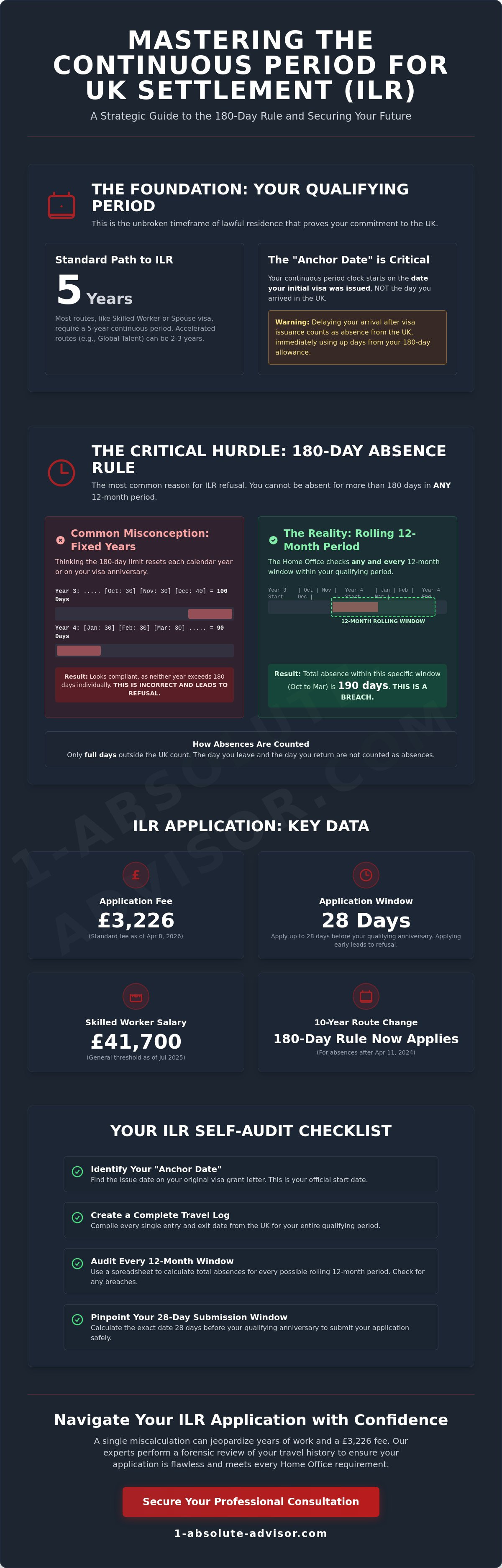

Did you know that in-country visa extension refusal rates have more than doubled since the 2025 policy shifts, leaving thousands of applicants facing the loss of non-refundable fees? With the official cost of a family visa now at £2,064 and Indefinite Leave to Remain at £3,226, the financial stakes of securing expert immigration advice for uk visa applications have never been higher. As the Home Office completes its transition to a mandatory digital-first eVisa system, the margin for error has effectively vanished.
It’s understandable if you feel overwhelmed by the 2026 salary thresholds or the technical nuances of the new digital accounts. You’ve worked hard for your future in the UK, and you shouldn’t have to risk your residency on a clerical oversight or a misunderstood regulation. This guide provides the strategic clarity you need to master the current system. We’ll examine the specific eligibility requirements for 2026, break down the 5-year path to ILR, and show you how a structured, compliant approach with fixed-fee transparency ensures your application stands up to the highest levels of scrutiny.
Key Takeaways
- Distinguish between generic immigration information and regulated advice to ensure your strategy is legally sound and tailored to your unique circumstances.
- Understand why the 2026 fee increases and the lasting impact of a refusal make professional immigration advice for uk visa applications a vital investment for your future.
- Learn to verify an advisor’s OISC registration level to confirm they possess the specific authority required to manage the complexity of your case.
- Gain a clear roadmap for navigating the digital-first eVisa system, ensuring you remain compliant throughout your five-year path to Indefinite Leave to Remain.
What is Professional Immigration Advice for UK Visas?
Professional immigration advice is a regulated legal service that interprets law for specific applications. Unlike generic guidance, it involves a comprehensive analysis of an individual’s personal, financial, and travel history to determine the most viable path toward residency or citizenship. While public resources outline the general criteria for entry, professional guidance transforms these abstract rules into a concrete, evidence-based roadmap tailored to your specific background. This level of support ensures that every document submitted serves a strategic purpose in meeting the Home Office’s stringent requirements.
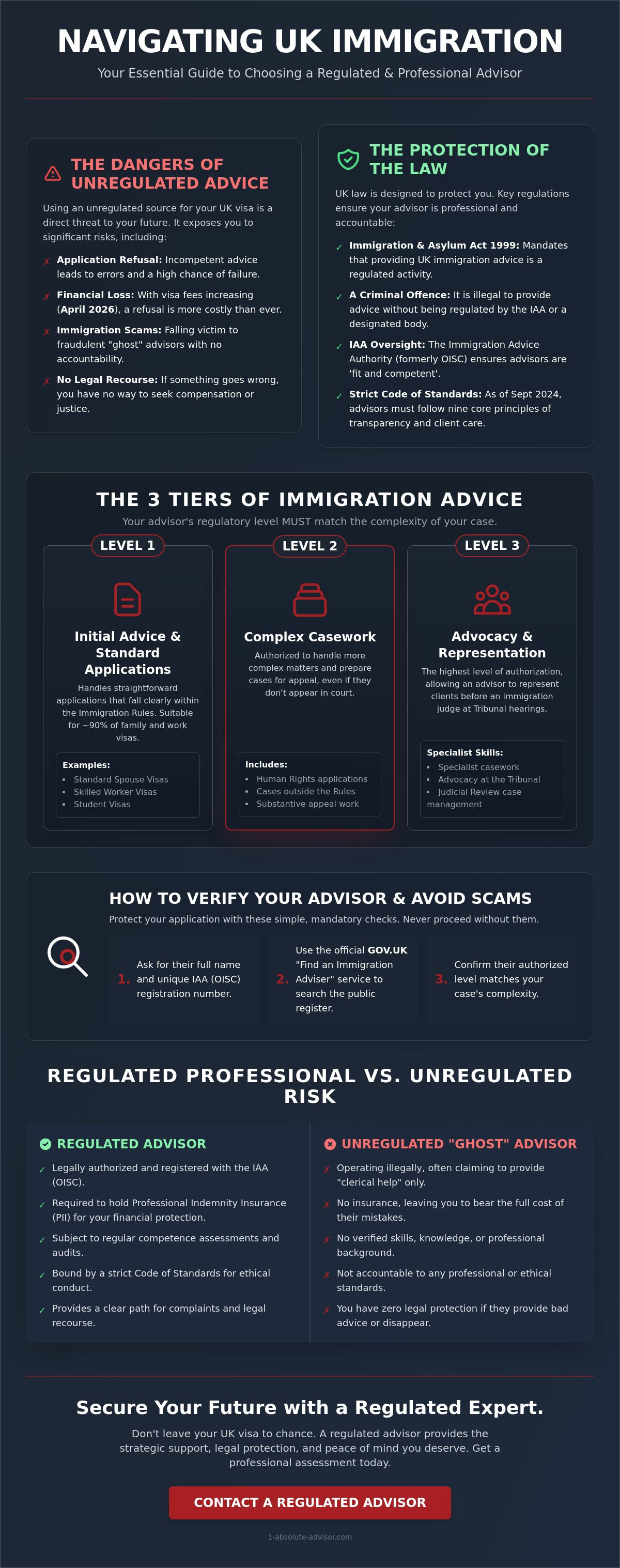
The UK government maintains strict control over who can provide this support. To protect applicants from incompetent or predatory practices, it’s a legal requirement that all advisers are regulated by the Immigration Advice Authority (IAA) or professional bodies such as the Solicitors Regulation Authority (SRA). Seeking immigration advice for uk visa applications from a regulated professional means your case is handled by someone accountable to a code of conduct, ensuring professional indemnity and up-to-date knowledge of the 2026 immigration rules.
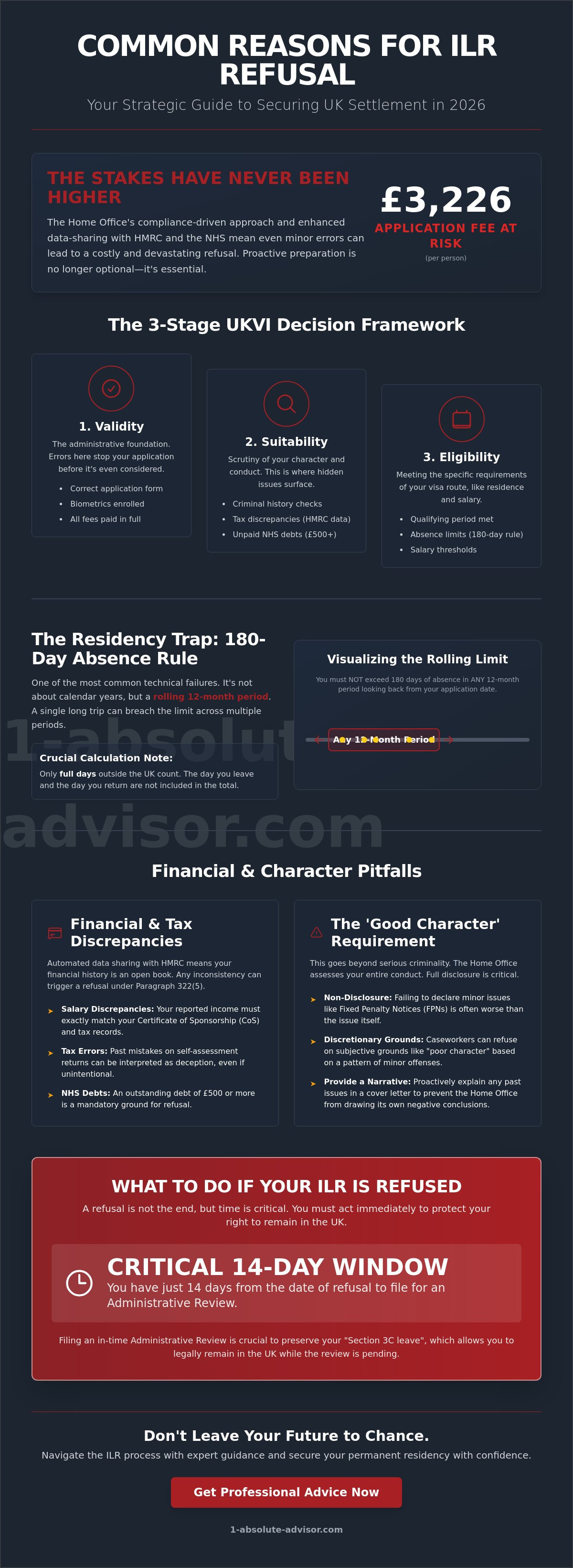
The stakes for applicants in 2026 are exceptionally high. A single administrative error or a failure to disclose a minor detail can be interpreted by the Home Office as a “mandatory ground for refusal” under the suitability requirements. In many cases, this leads to a 10-year ban on future applications due to perceived deception. Professional advice mitigates these risks by conducting rigorous audits of your application before it ever reaches a caseworker’s desk.
The Distinction Between Legal Information and Strategic Advice
It’s vital to recognize that GOV.UK provides information, but a professional adviser provides a strategy. Information tells you the current fee for a Skilled Worker Visa; strategic advice identifies the specific “burden of proof” required to satisfy a caseworker that your role is genuine. Advisers don’t just help you fill out forms. They interpret complex legislation to identify the correct evidence, ensuring that your documentation is not just present, but persuasive and compliant with the latest 2026 standards.
Why 2026 Requires a New Approach to UK Immigration
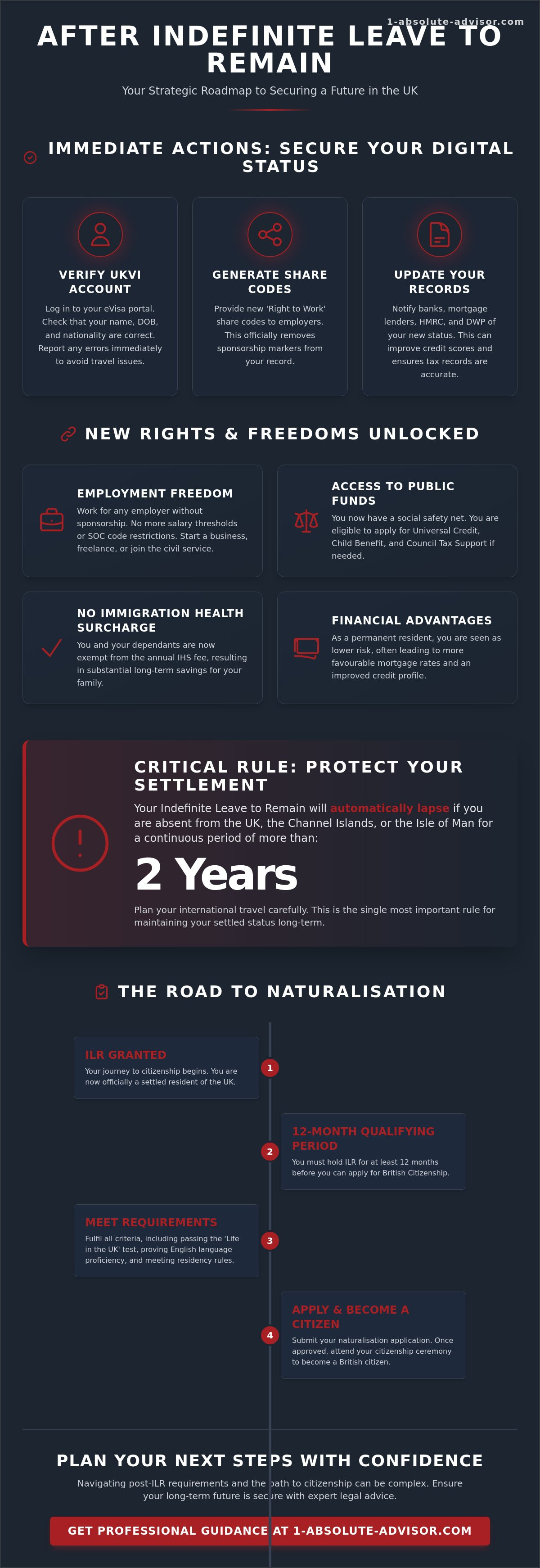
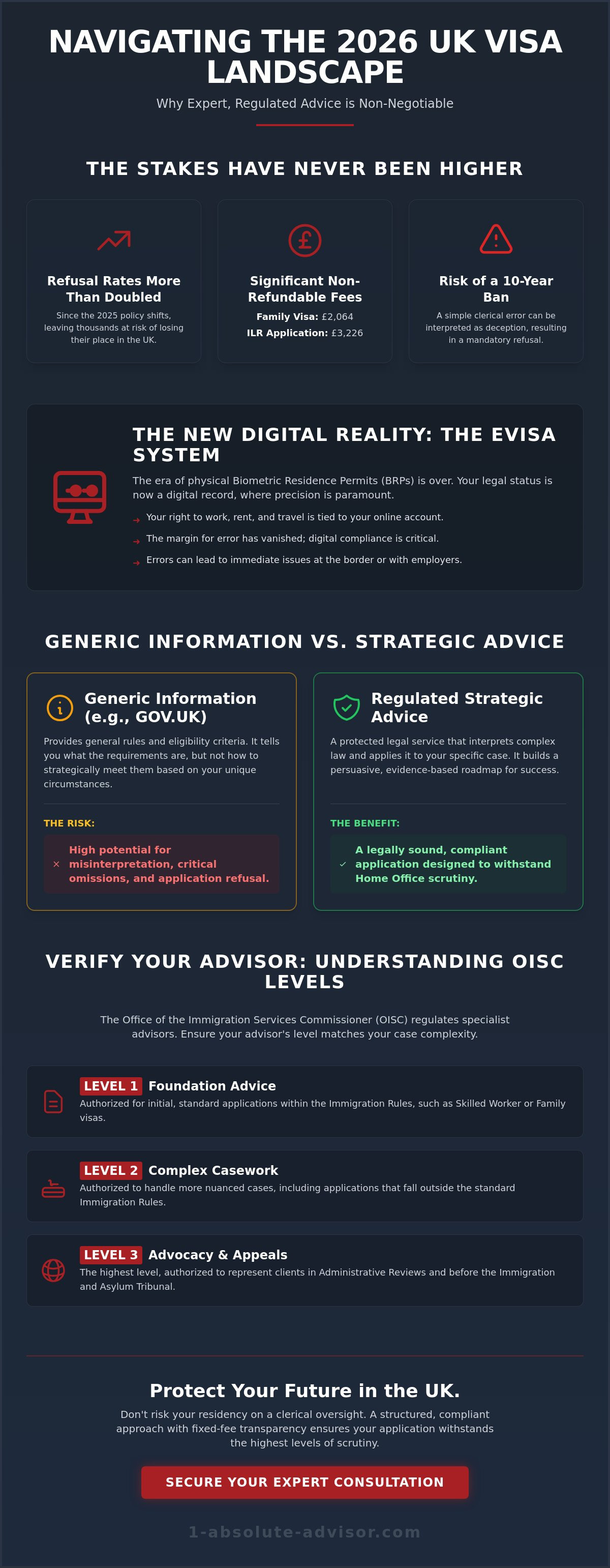
The total transition to a digital-first system has fundamentally changed how migrants interact with the Home Office. The era of physical Biometric Residence Permits (BRPs) has ended, replaced entirely by the eVisa system. This shift means that your right to work, rent, and travel is now tied to a digital record. If your online account isn’t maintained with precision, or if your passport details aren’t updated correctly, you may face immediate issues at the border. Professional immigration advice for uk visa holders now focuses heavily on this digital compliance to prevent status lapses that could jeopardize a five-year path to Indefinite Leave to Remain.
Understanding the Regulatory Landscape: OISC vs. Solicitors
Securing immigration advice for uk visa requirements involves choosing between two main regulatory paths: OISC-registered consultants and SRA-regulated solicitors. The Office of the Immigration Services Commissioner (OISC) is the statutory body that regulates immigration advisers who aren’t solicitors. While solicitors are generalists who may practice across multiple fields of law, OISC advisers are specialists who dedicate their entire practice to the intricacies of the Home Office. This specialization is particularly valuable in 2026, as the shift to a digital-first system requires an advisor who lives and breathes immigration policy. Both types of professionals are legally required to hold professional indemnity insurance, providing you with a financial safety net that unregulated providers simply cannot offer. You can easily confirm an advisor’s credentials using the official government adviser search.
The OISC Level System Explained
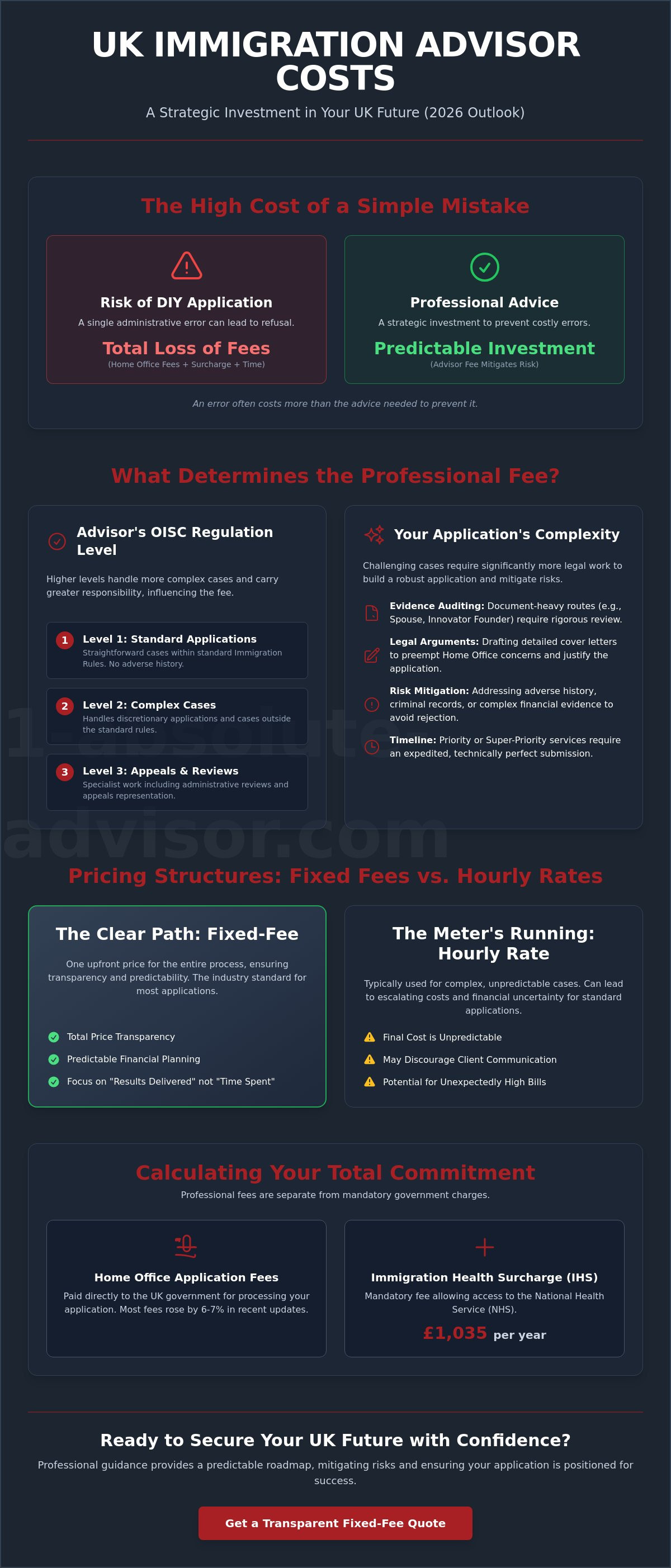
The OISC framework is divided into three levels, each defining the complexity of cases an advisor can legally handle. Level 1 is reserved for initial applications under the standard immigration rules, such as a Skilled Worker Visa Application Service. Levels 2 and 3 allow for more nuanced work, including casework outside the rules or representing clients in Administrative Reviews. It’s essential to match your advisor’s level to your specific needs. Choosing an advisor who lacks the appropriate authorization for your case can lead to the Home Office rejecting your representation entirely. 1 Absolute Advisor maintains strict adherence to these levels, ensuring that your case is managed by a professional with the exact statutory authority required for your visa route.
How Regulation Protects Your Application and Finances
Choosing a regulated firm means you’re protected by the “fit and competent” criteria mandated by the Commissioner. Advisers must undergo rigorous annual checks to prove their knowledge is current and their business practices are ethical. This regulation also mandates absolute fee transparency. Before any work begins, you’ll receive a client care letter detailing the fixed costs and the specific work to be performed. This prevents the “hidden fee” trap that often plagues the sector. If any issues arise, the OISC provides a robust complaints mechanism, ensuring that the immigration advice for uk visa you receive meets the highest professional standards. This oversight is your best defense against the “ghost” consultants who often vanish when an application faces scrutiny.
The Real Cost of UK Visa Refusals: Why Advice is an Investment
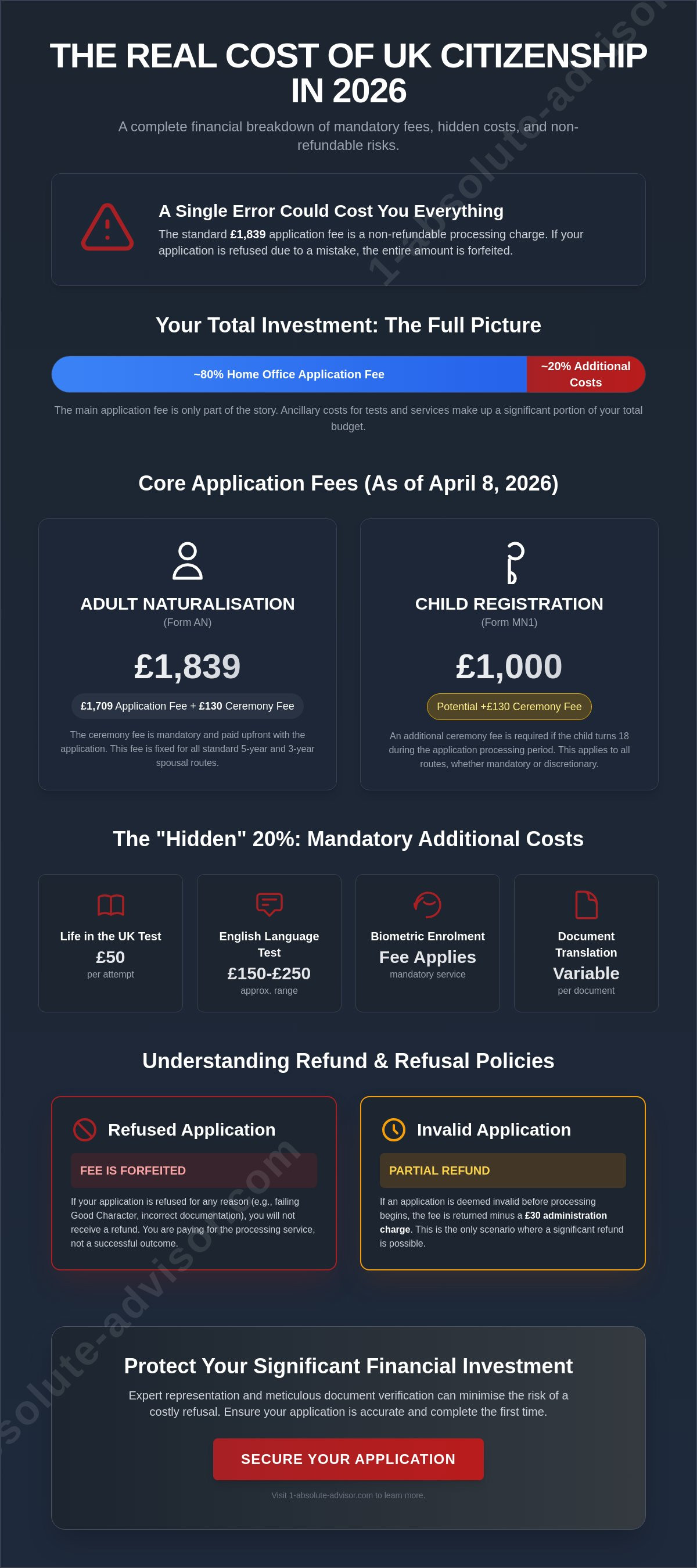
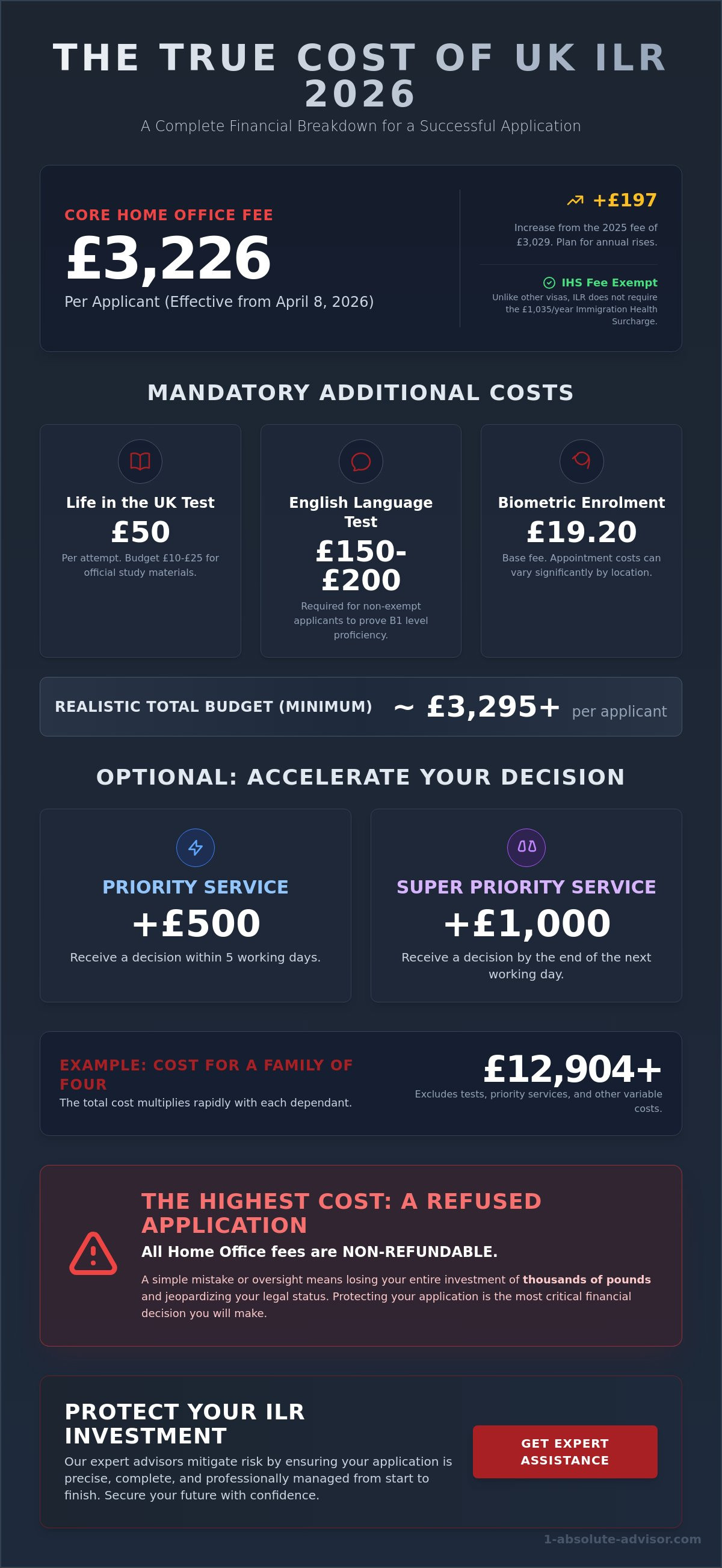
A visa refusal is much more than a simple administrative setback. It’s a significant financial and legal liability that stays with you for years. When you consider that the 2026 Home Office fees for a family visa are £2,064 and Indefinite Leave to Remain costs £3,226, the financial risk of a single mistake is undeniable. Because the Immigration Health Surcharge (IHS) of £1,035 per year is also non-refundable in the event of a refusal, a family of four could lose over £10,000 in a single failed application. Securing professional immigration advice for uk visa submissions acts as a form of “refusal insurance” for these high-value investments.
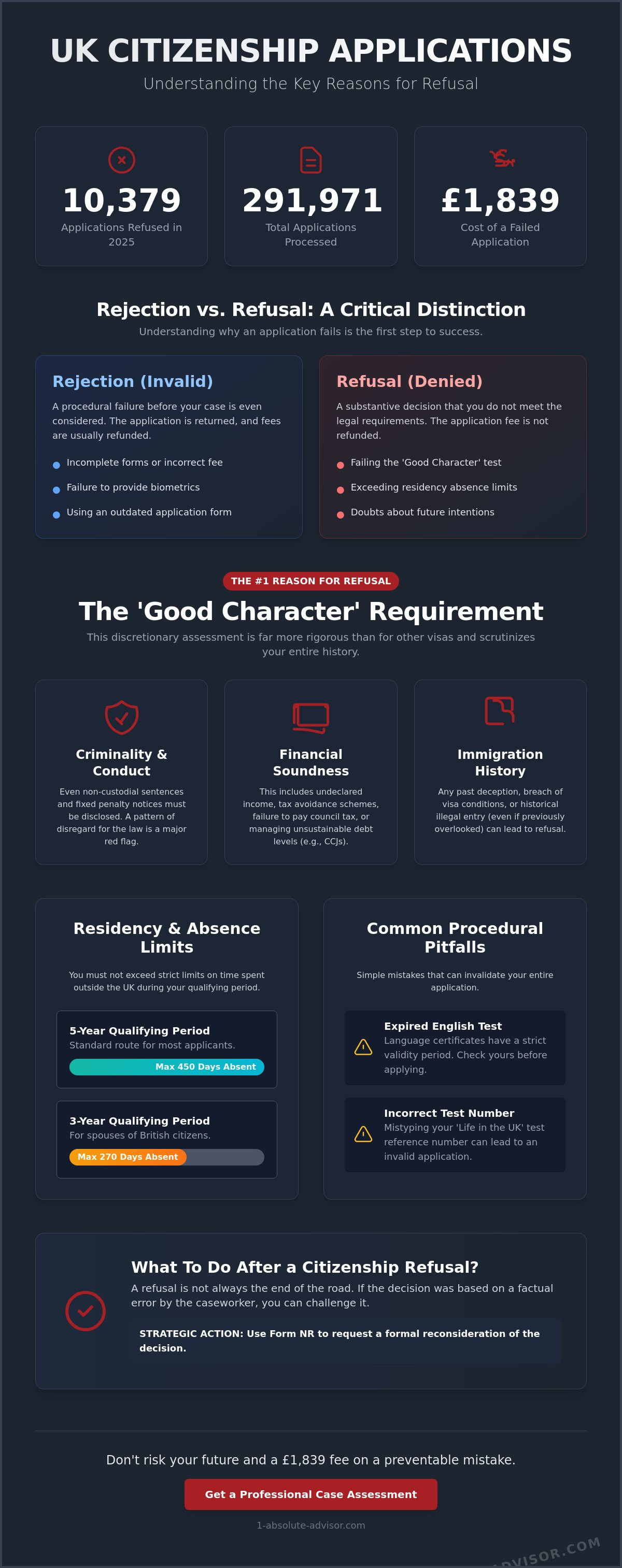
Beyond the immediate financial loss, a refusal creates a permanent record. You’ll be required to disclose this failure on every future visa application, not just for the UK, but for many other global territories. This can lead to increased scrutiny and higher refusal rates for the rest of your life. Perhaps most critically, a refusal often breaks the chain of “Continuous Residence.” This reset can delay your eligibility for ILR UK by several years, costing you more in extension fees and lost time. While some applicants believe they can manage the process alone, 2025 data showed refusal rates as high as 31% for certain skilled worker nationalities, proving that “doing it yourself” is often a high-stakes gamble.
Common Refusal Triggers in 2026
The 2026 landscape has introduced new complexities, particularly regarding the skilled worker visa uk salary thresholds. Caseworkers now exercise zero tolerance for even minor discrepancies between the Certificate of Sponsorship and the applicant’s actual earnings. Suitability grounds have also become a frequent trigger for rejection. Minor tax issues or undisclosed traffic offenses that seemed trivial in previous years are now being used to justify refusals. For those on the family route, the “genuine relationship” test for a spouse visa uk has become increasingly subjective, requiring a sophisticated level of documentary evidence to prove the partnership isn’t one of convenience.
The Value of a Professional Document Review
Applicants often become “blind” to their own documentation after weeks of preparation. A fresh set of professional eyes catches the inconsistencies that lead to immediate rejection. A primary benefit of professional immigration advice for uk visa seekers is the drafting of a legal cover letter. This document is essential because it translates your personal life and career history into the technical language of the Immigration Rules. It frames your application for the caseworker, addressing potential weaknesses before they can be flagged and ensuring every piece of evidence is linked directly to a specific statutory requirement.
How to Choose the Best Immigration Advice for Your Case
Identifying high-quality immigration advice for uk visa applications requires a methodical approach that goes beyond a simple web search. Selecting the right professional to manage your residency goals is a strategic decision that demands more than just a cursory glance at a service list. Expert guidance is built on a foundation of regulatory compliance and route-specific mastery. To ensure your future is in capable hands, follow this five-step verification process:
- Verify the OISC Registration: Always cross-reference an advisor’s registration number with the official government register to confirm they are authorized to practice.
- Seek Route-Specific Specialization: Immigration law is vast. An advisor who excels in corporate sponsorship may not have the same depth of experience in complex family visa matters.
- Assess Communication Clarity: A true expert can explain the most complex Home Office regulations in plain English. If an advisor hides behind jargon, they may lack a deep understanding of the rules.
- Demand Fixed-Fee Transparency: Professional firms should provide a clear, fixed-fee structure in their client care letter. This protects you from the “billable hour” surprises common in traditional legal practices.
- Analyze Independent Success Stories: Look for reviews that specifically mention success in difficult cases or instances where the advisor successfully managed the 2026 digital system.
Red Flags: When to Walk Away
Ghost consultants often make “guaranteed success” claims to lure applicants. No professional can guarantee a Home Office decision; the final authority always rests with the caseworker. Be wary of any advisor who suggests “bending the rules” to meet salary thresholds. These actions can trigger permanent bans for deception. Protecting your record is paramount, which is why choosing a regulated immigration advisor is your only safe path forward.
Questions to Ask During Your Initial Consultation
Your first meeting is an interview to determine if the firm is the right strategic partner. Ask specifically about their experience with the 2026 digital compliance requirements for eVisas and their success rate in your visa category over the last year. Finally, confirm who will manage your file daily. You deserve to know that a senior professional, not a junior clerk, is responsible for your future. This accountability is the hallmark of a true strategic partner.
Strategic Immigration Support from 1 Absolute Advisor
At 1 Absolute Advisor, the approach to immigration advice for uk visa applicants transcends simple form-filling. The philosophy is built on three pillars: precision, authority, and a long-term residency strategy. By acting as a strategic partner rather than a mere service provider, the firm ensures that every application is positioned within the broader context of your life in the United Kingdom. As an OISC-registered firm, 1 Absolute Advisor operates under a strict code of conduct that prioritizes professional integrity and client security, providing a level of reliability that is essential in the high-stakes 2026 environment.
Transparency is a core value, particularly regarding the financial aspects of an application. The firm utilizes a fixed-fee model for UK work visas and family-based routes, eliminating the uncertainty of hourly billing. To accommodate different needs and budgets, clients can choose between a specialized Document Checking Service or a comprehensive Full Management option. While the former provides a final expert audit to catch potential refusal triggers, the latter offers end-to-end representation, managing every technical detail from initial eligibility to final Home Office submission.
A Holistic Approach to UK Residency
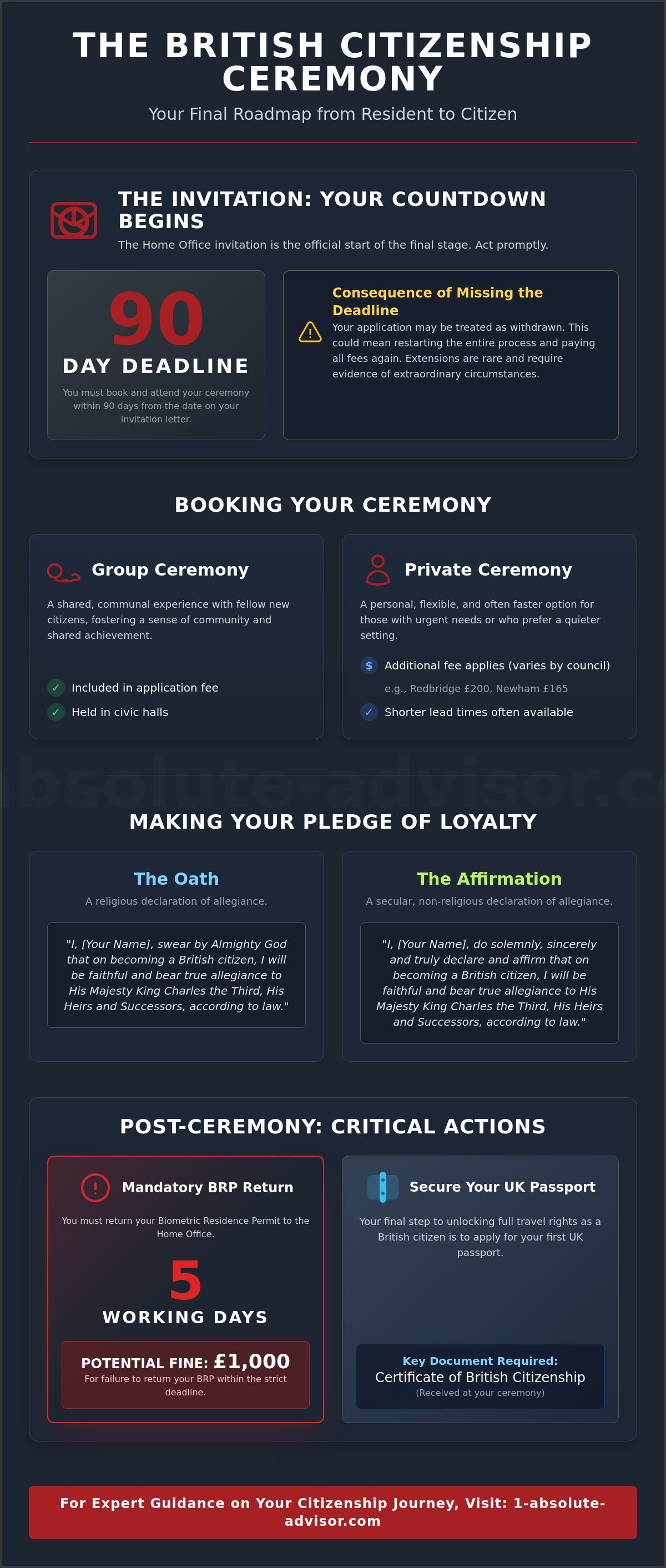
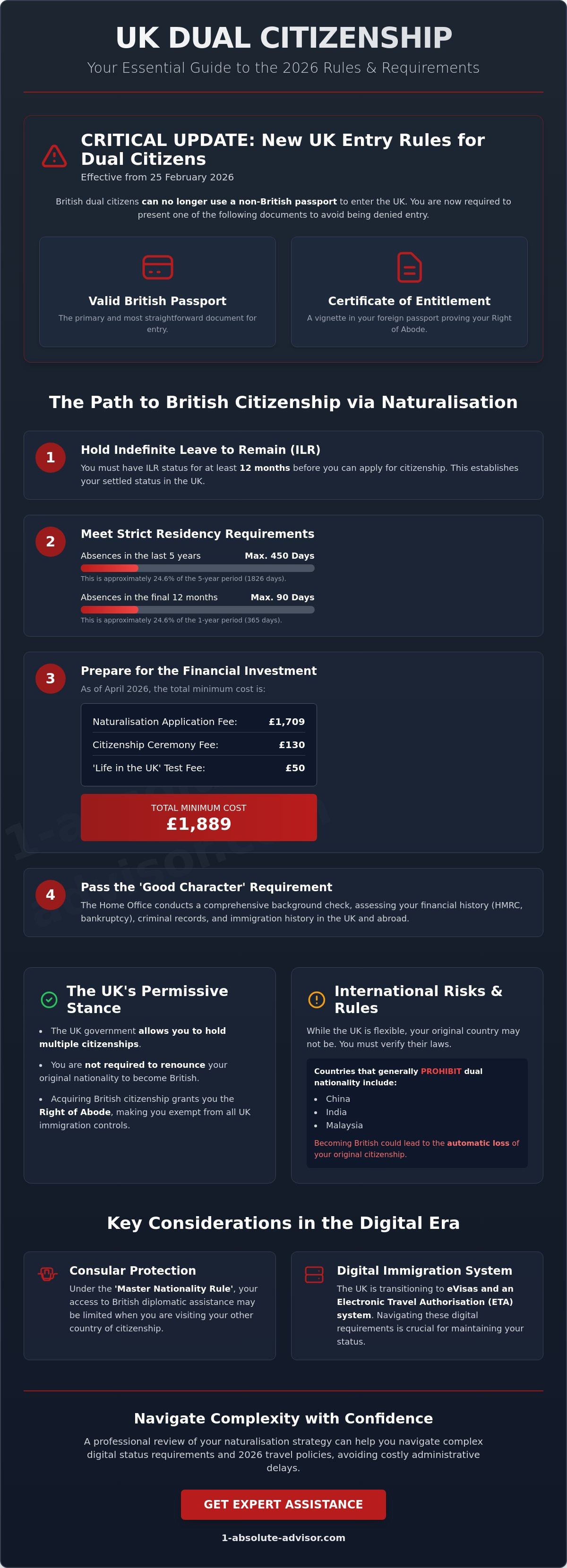
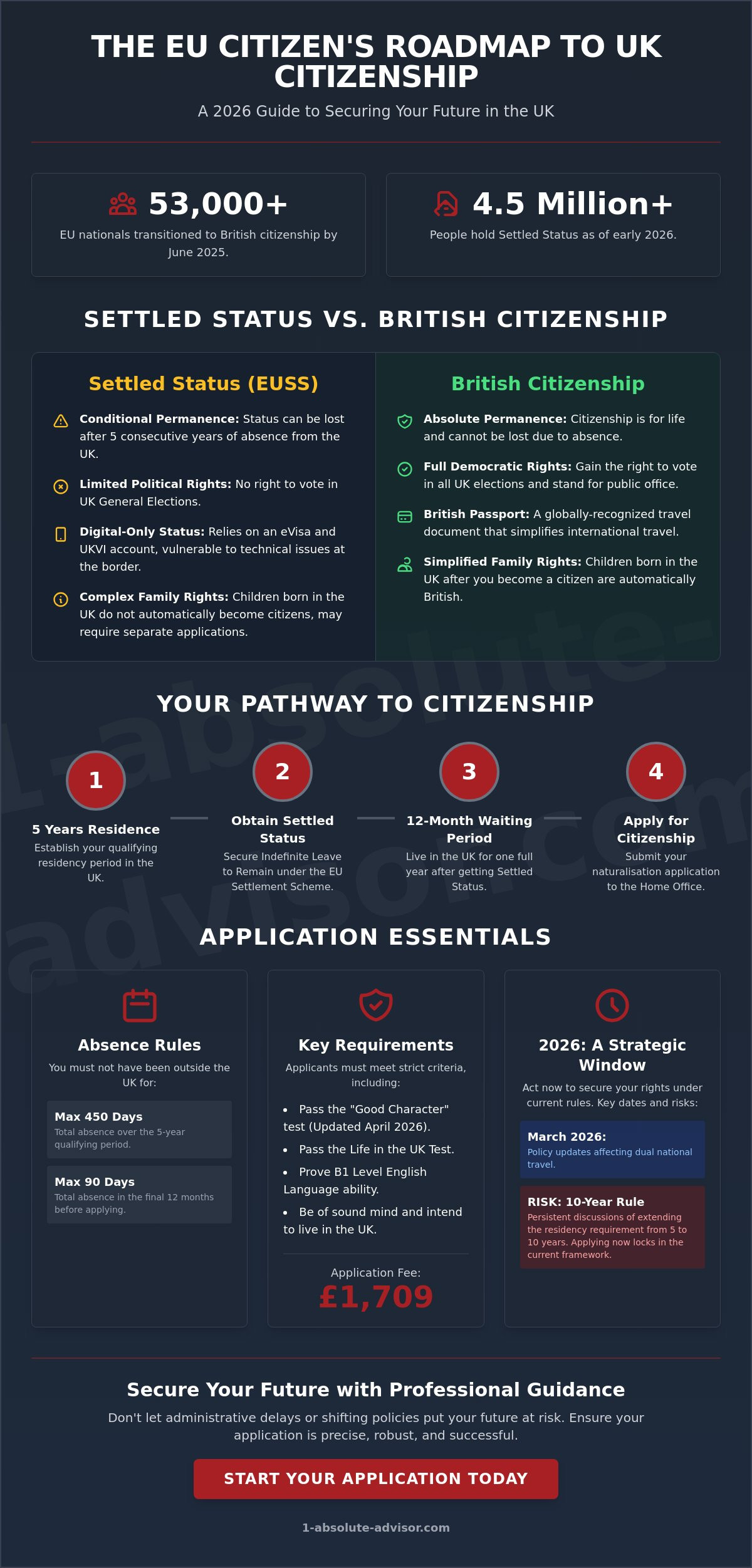
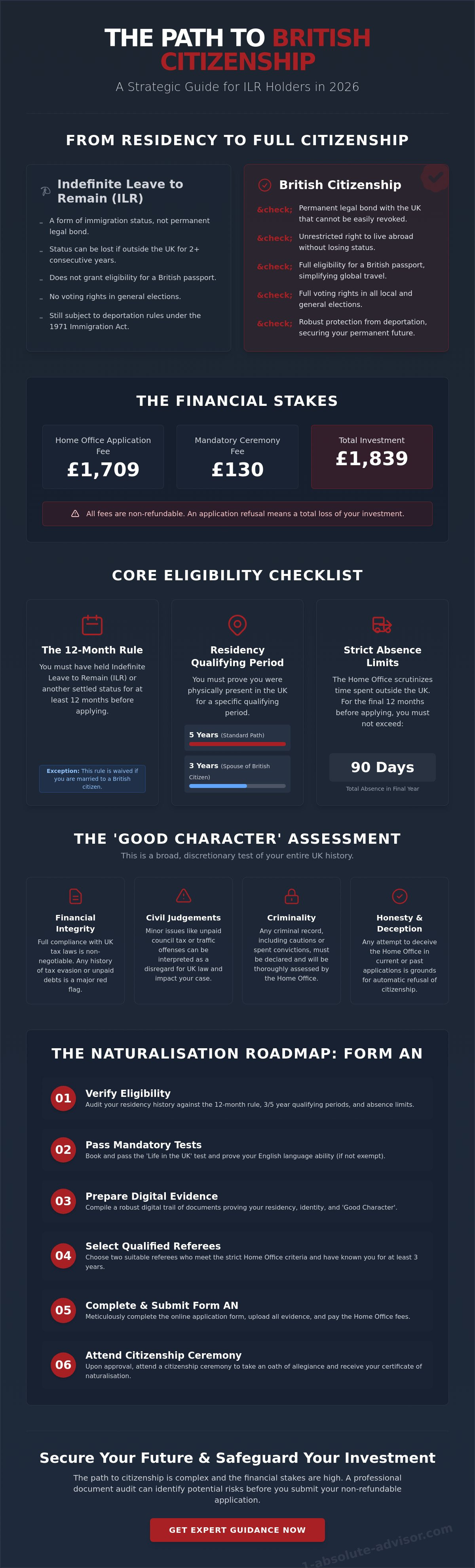
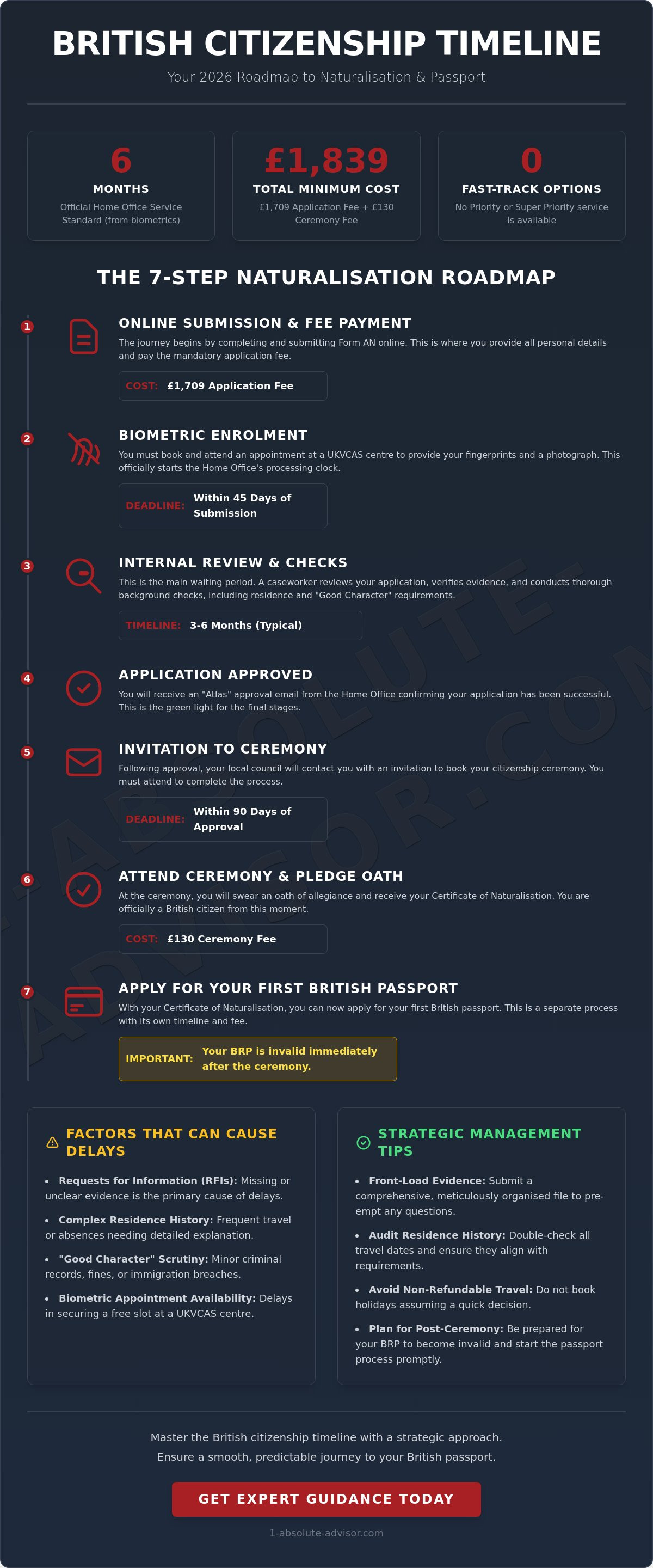
Most applicants focus only on the immediate 30-month or 3-year term of their visa. However, 1 Absolute Advisor looks at the full five-year journey. This perspective is vital for those aiming for Indefinite Leave to Remain, as decisions made today can impact your eligibility years down the line. Whether you’re dealing with complex family dynamics or professional sponsorship hurdles, the firm’s expertise in UK immigration ensures that your path toward British Citizenship remains clear and unobstructed. This mentor-led approach prepares you for future risks while securing your present status.
Start Your Successful Application Today
The path to a successful approval begins with a structured onboarding process designed for clarity and efficiency. It starts with a detailed consultation to establish the facts of your case, followed by a rigorous assessment of your documentation, and concludes with a precise submission to the Home Office. For those facing tight deadlines, fast-track assistance is available to manage urgent filings without compromising on quality. Taking a proactive step now avoids the stress of last-minute complications and ensures that your immigration advice for uk visa strategy is robust enough to withstand the scrutiny of the current system.
Securing Your Residency in the Digital Age
The transition to a digital-first immigration system has fundamentally altered the path to residency. The margin for error has effectively vanished, and the financial consequences of a refusal can reach thousands of pounds in non-refundable fees. Success in 2026 requires more than just meeting a salary threshold; it demands a strategic, long-term approach that accounts for digital compliance and future eligibility for Indefinite Leave to Remain. Finding reliable immigration advice for uk visa applications is no longer just a convenience; it’s a structural necessity for anyone navigating this complex landscape.
By prioritizing OISC-registered professionalism and fixed-fee transparency, you protect both your finances and your future in the UK. 1 Absolute Advisor specializes in the 2026 UK immigration rules, providing the authoritative guidance needed to transform a complicated legal process into a predictable roadmap. Don’t leave your status to chance when the stakes are this high. Secure your UK future with expert immigration advice from 1 Absolute Advisor and take the first step toward a successful, stress-free approval. Your journey to British citizenship deserves the highest standard of professional integrity.
Frequently Asked Questions
Do I really need an immigration adviser for a simple UK visa?
While the Home Office doesn’t legally require you to use a professional, it’s highly recommended due to the zero-tolerance policy for errors in 2026. Even a “simple” Standard Visitor Visa application can be refused if your digital evidence doesn’t align with the new suitability requirements. Expert immigration advice for uk visa applications ensures that your personal circumstances are framed correctly, protecting you from the lasting impact of a refusal record.
What is the difference between an OISC adviser and an immigration solicitor?
OISC advisers are specialists who focus exclusively on immigration law, whereas solicitors are regulated by the SRA and may practice in multiple legal fields. Both are authorized to provide immigration advice for uk visa seekers. Many applicants choose OISC advisers because their entire professional practice is dedicated to the procedural nuances of the Home Office and the specific technical requirements of the eVisa system.
How much does professional immigration advice cost in 2026?
Professional fees are typically determined by the complexity of your specific visa route and the level of support you require. Reputable firms prioritize financial transparency by offering fixed-fee models rather than unpredictable hourly rates. This approach provides you with a clear understanding of your investment from the outset, covering everything from the initial document audit to the final submission of your application.
Can an immigration adviser guarantee my visa will be approved?
No regulated professional can guarantee a visa approval because the final decision always rests with a Home Office caseworker. Any individual or agency making such a claim is likely unregulated and should be avoided. The role of a strategic partner is to maximize your chances of success by ensuring your application is technically flawless and meets every statutory requirement of the 2026 rules.
What happens if my UK visa is refused while using an adviser?
If a refusal occurs, a regulated advisor will conduct a technical analysis of the decision letter to determine the best course of action. They may suggest an Administrative Review Service if the caseworker made a factual error, or they might recommend a fresh application. Because they’re regulated, you’re protected by professional indemnity insurance and have access to an official complaints procedure if the error was on the advisor’s part.
How do I check if an immigration adviser is legally registered?
You can verify an advisor’s credentials by searching the official OISC Register or the Solicitors Regulation Authority database. Every authorized professional must display their registration number on their website and correspondence. Using an unregistered “ghost” consultant is a criminal offense in the UK and can lead to your application being rejected on the grounds of deception, regardless of your personal intentions.
Can I get free immigration advice in the UK?
Free advice is generally limited to charities and non-profit organizations that assist vulnerable individuals or those with human rights claims. While these services provide a vital social function, they often lack the capacity to manage complex professional or family visa strategies. For applicants on a five-year path to settlement, private regulated advice offers the comprehensive, proactive support necessary to navigate the 2026 digital system effectively.
Does an immigration adviser help with the Life in the UK test?
Advisers don’t typically provide tutoring for the test, but they manage the strategic timing of when you should sit the exam to meet residency milestones. They ensure your test results are correctly integrated into your digital profile for your Indefinite Leave to Remain or British Citizenship applications. This ensures that your transition between visa categories remains compliant with the latest Home Office record-keeping standards.